
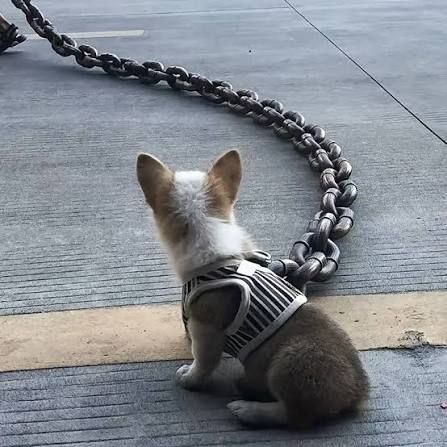
Collar or harness?
Like most things involving dogs, the answer is: it depends on the dog.
Because the equipment appropriate for a 12-pound Maltese who considers walking an optional activity probably isn't the same equipment you want on an 80-pound Labrador who has just spotted a squirrel.
A collar can work beautifully for a dog who already walks calmly on a loose leash. It's simple, comfortable and a good place for identification.
If your dog pulls, lunges, has neck or respiratory issues, or possesses the mysterious ability to become boneless and back completely out of a collar, a properly fitted harness may be a better choice.
But harnesses aren't all the same.
A back-clip harness can be comfortable for everyday walking, although some strong pullers quickly discover they've essentially been given towing equipment.
A front-clip harness can give you more control and help redirect a dog who likes to lead the expedition. Fit matters, though—you don't want equipment interfering with natural shoulder movement.
A properly fitted martingale collar can provide extra security for dogs with narrow heads or those talented escape artists mentioned above.
Then there's the retractable leash.
It has its place, but everyday leash training usually isn't it. A standard fixed-length leash gives you better communication and control. A longer lead can be wonderful when the goal is safe exploring and sniffing.
There isn't one perfect setup for every dog.
Consider your dog's size, anatomy, health, strength, behavior and what you're actually doing together. And if your dog has neck, airway, orthopedic or other medical issues, ask your veterinarian what equipment is safest.
Because ultimately, the best equipment is the equipment that keeps your dog comfortable, keeps you in control...
…and prevents your morning walk from becoming an unexpected upper-body workout.
Argo Archives
Because understanding our dogs is another way of loving them.